
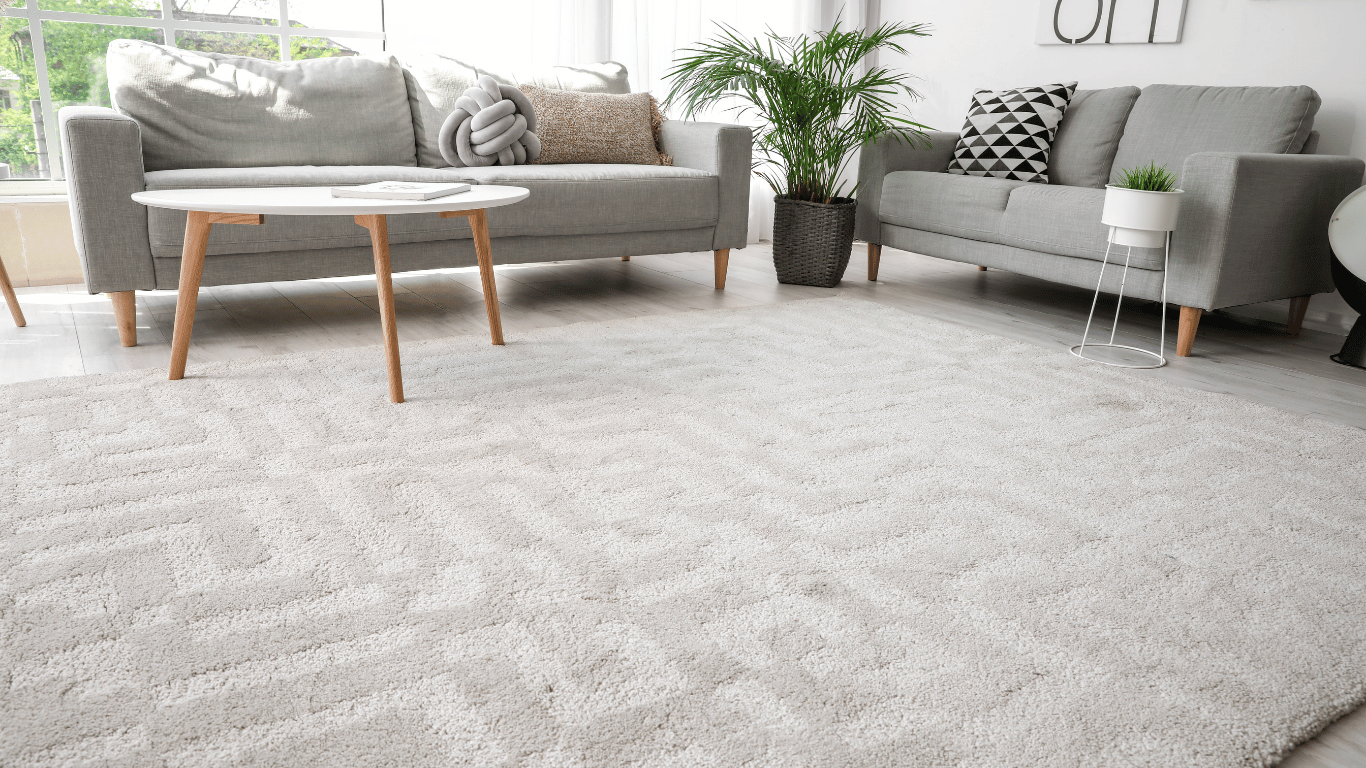

In today’s consumer-driven world, the immediate solution to a problem often defaults to replacement. Our phones glitch, so we buy new ones. Our clothes tear, so we replace them. And when our carpets start looking dull, stained, and frankly, a bit sad, the first thought that often pops into our heads is “time for new flooring!” But what if there was a better, more sustainable, and surprisingly effective alternative? What if instead of tearing out your existing carpet and contributing to landfills, you could breathe new life into it using simple, natural ingredients you likely already have at home?
This isn’t just about saving money, though that’s a significant perk. It’s about fostering a healthier home environment, reducing your carbon footprint, and embracing a “renew, don’t replace” philosophy. Harsh chemical carpet cleaners can leave behind residues that are harmful to pets, children, and even adults, contributing to indoor air pollution.
So, before you embark on a costly and disruptive carpet replacement project, take a deep breath and consider the power of natural cleaning. We’re about to unveil 10 incredibly effective and natural ways to remove marks from carpet.
This might seem like a no-brainer, but the importance of a vacuum cleaner cannot be overstated. It’s the single most effective way to prevent dirt, dust, and allergens from embedding themselves deep within your carpet strands, where they become much harder to remove.
Importance of frequency and proper technique: Don’t just vacuum when your carpet looks dirty. Aim for at least twice a week in high-traffic areas and once a week in less frequented rooms. When vacuuming, don’t rush. Move the vacuum slowly, making multiple passes over the same area in different directions. This allows the suction to effectively pull up embedded dirt. Think of it as a gentle massage for your carpet, dislodging stubborn particles.
The majority of dirt tends to accumulate along baseboards and in corners. Don’t neglect these areas! Use your vacuum’s crevice tool to get into tight spots and the upholstery attachment for thorough cleaning around furniture legs and under edges.
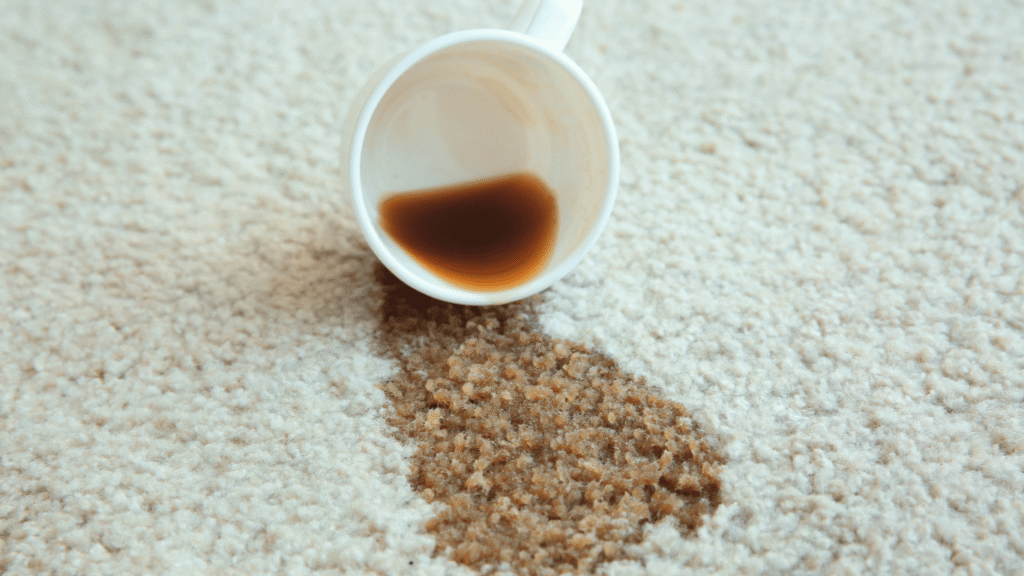
Life happens, and spills are inevitable. However, how you react to a mess can make all the difference between a minor mishap and a permanent stain.
This is the golden rule of accident management. When an accident occurs, grab a clean, white cloth or paper towel and dab the liquid. Do not rub, scrub, or wipe. Rubbing will only push the liquid deeper into the strands, spreading the stain and making it more difficult to remove. Dabbing, on the other hand, wicks the liquid up and out.
Work from the outside of the stain inwards to prevent it from spreading. Continue blotting with clean sections of the cloth until no more liquid is transferred.
Place doormats at all entrances to your home to trap dirt and moisture before it’s tracked onto your carpets. Consider runners or throw rugs in high-traffic hallways, in front of sofas, and under dining tables. These act as sacrificial layers, absorbing the brunt of daily foot traffic and protecting your primary carpet from excessive wear and staining.
Heavy furniture can leave unsightly indentations and even damage floor covering over time. Use furniture glides or cups under the legs of heavy furniture to distribute the weight evenly and prevent permanent dents. Regularly shifting furniture slightly can also help prevent prolonged pressure in one spot.
Now that we’ve covered the preventative measures, let’s dive into the exciting part: harnessing the power of everyday natural ingredients to tackle stains and refresh your carpet.
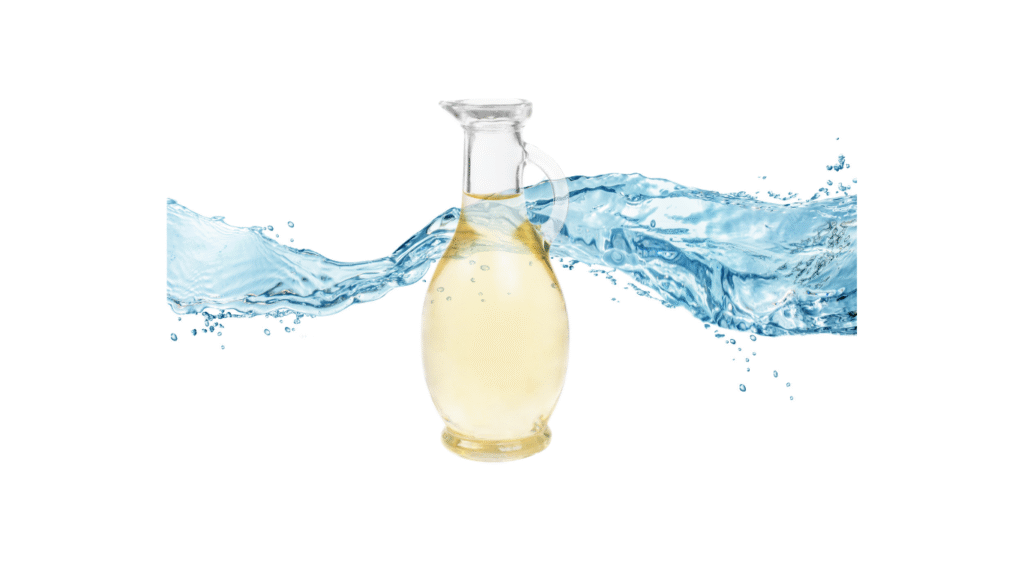
White vinegar, a humble pantry staple, is a surprisingly powerful and versatile natural stain remover. Its acetic acid content helps break down dirt and odors, making it a fantastic all-purpose carpet refresher.
Mix equal parts white vinegar and warm water in a spray bottle. Lightly mist the carpet, focusing on areas with lingering odors. Avoid oversaturating the carpet. Vinegar is an excellent deodorizer. It neutralizes odors rather than just masking them. After misting, allow the carpet to air dry completely. The vinegar smell will dissipate as it dries, leaving behind a fresh, clean scent. You can also add a few drops of essential oil (like lemon or lavender) to the mixture for a pleasant aroma, but always do a patch test first.
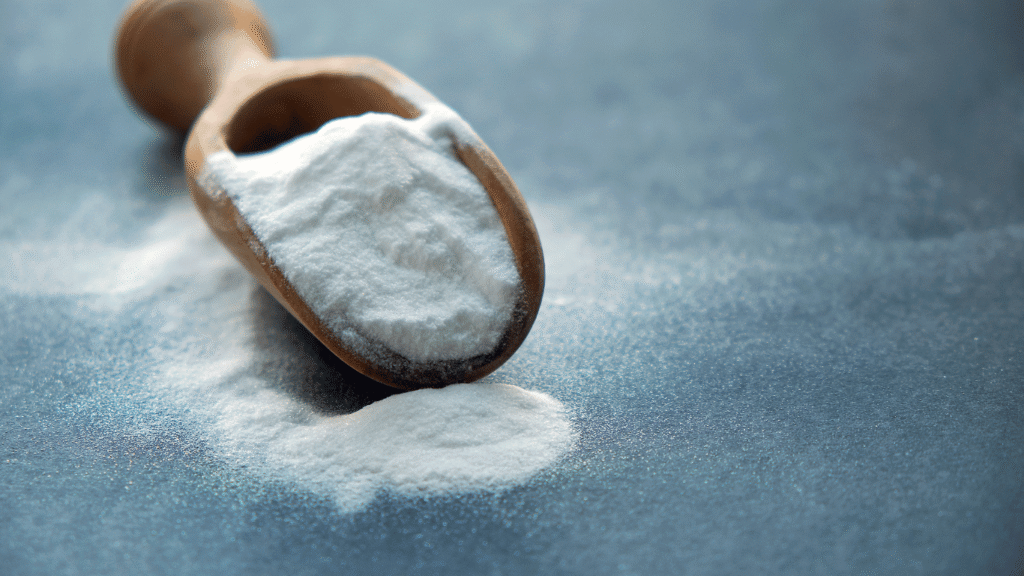
Baking soda, or sodium bicarbonate, is another kitchen superstar with incredible cleaning and deodorizing properties. It’s mildly abrasive, making it effective for light stains, and its alkaline nature helps absorb odors.
For a quick and easy carpet refresh, generously sprinkle this natural powder over your entire carpet, especially in areas with persistent odors. Let it sit for at least 15-30 minutes, or even overnight for deeply embedded smells. The longer it sits, the more odors it will absorb.
After the sodium bicarbonate has had time to work its magic, thoroughly vacuum your carpet. The mixture will not only lift odors but also help to dislodge dirt and grime from the carpeting, leaving it feeling softer and looking refreshed.
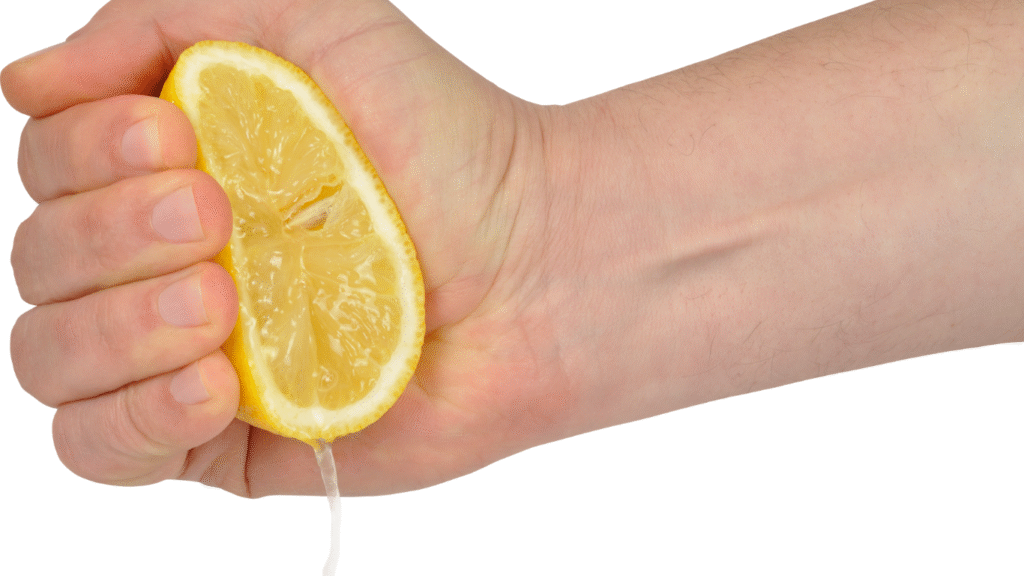
Lemon juice, with its natural citric acid, acts as a gentle bleaching agent and can be effective on certain types of stains, particularly those caused by rust or mildew. It also leaves behind a fresh, clean scent.
Its natural bleaching properties (patch test recommended): Due to its natural bleaching properties, it’s crucial to perform a patch test on an inconspicuous area of your carpet before applying lemon juice to a visible stain. This will ensure it doesn’t cause any discoloration.
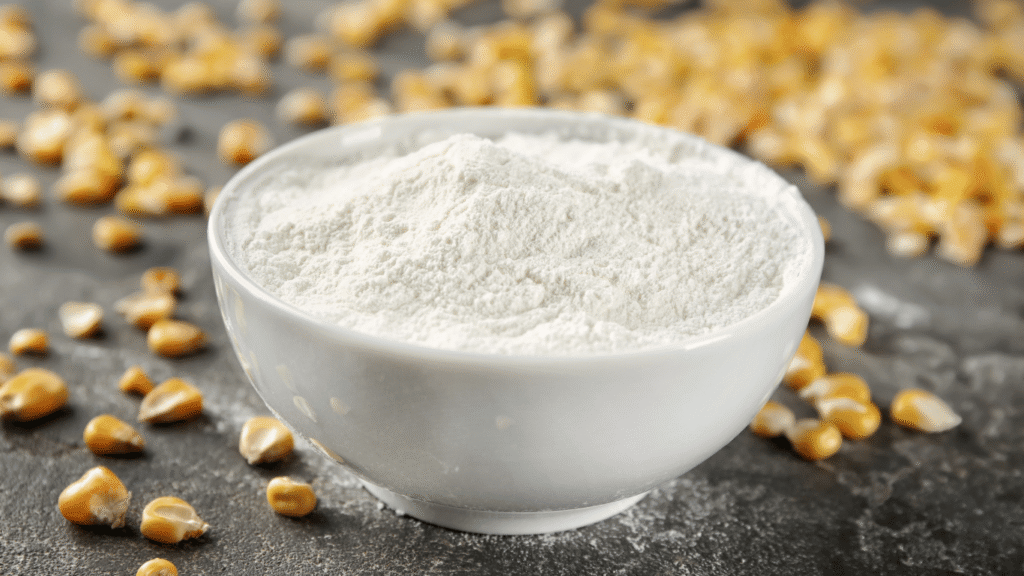
Grease stains are notoriously difficult to remove, but cornstarch comes to the rescue with its incredible absorbent properties. Cornstarch is highly porous and will draw out the oily residue from the carpeting.
As soon as you notice a grease stain, generously sprinkle a tablespoon of cornstarch over the affected area. Allow it to sit for at least 30 minutes, or even a few hours, to give it ample time to absorb the oil. The cornstarch will clump as it absorbs the grease. Once the cornstarch has absorbed the grease, simply vacuum it up. You may need to repeat this process if the stain is particularly stubborn.
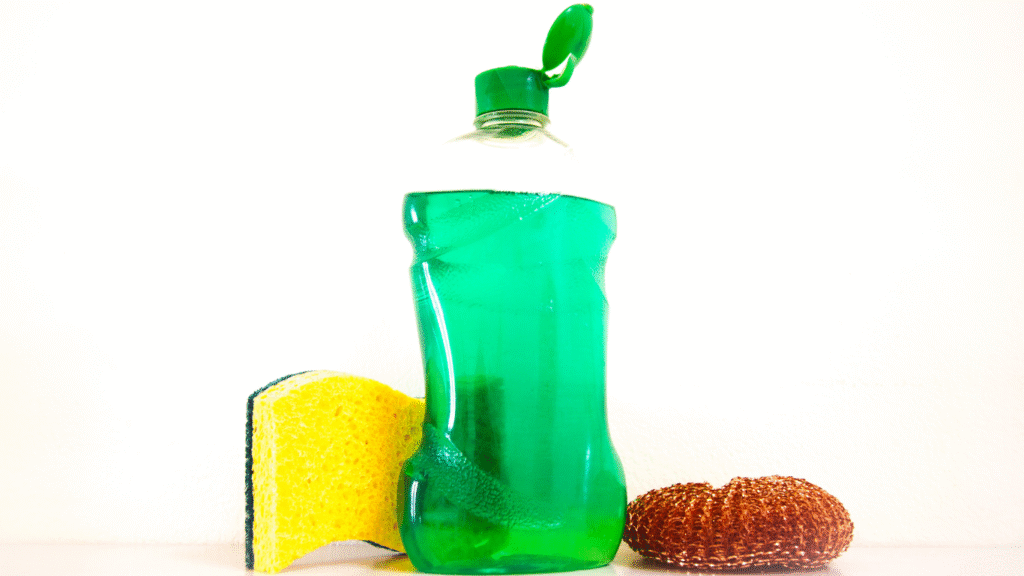
While we advocate for natural cleaning, a tiny amount of mild, clear dish soap can be incredibly effective for tackling protein-based or general dirt stains. The key is “mild” and “clear” to avoid leaving behind residue or discoloration. Opt for a detergent that doesn’t contain dyes or strong perfumes. A clear, gentle formula is less likely to leave behind a sticky residue that could attract more dirt.
Mix drops of dish soap with a cup of warm water. Dip a clean white cloth or sponge into the solution and gently blot the stain, working from the outside in. Rinse the cloth frequently and continue blotting until the stain is gone. Finish by blotting with a clean, damp cloth to remove any soap residue, then blot dry with a clean towel.
While these everyday tips are great for most carpet care, some situations call for more intensive, yet still natural, cleaning methods.
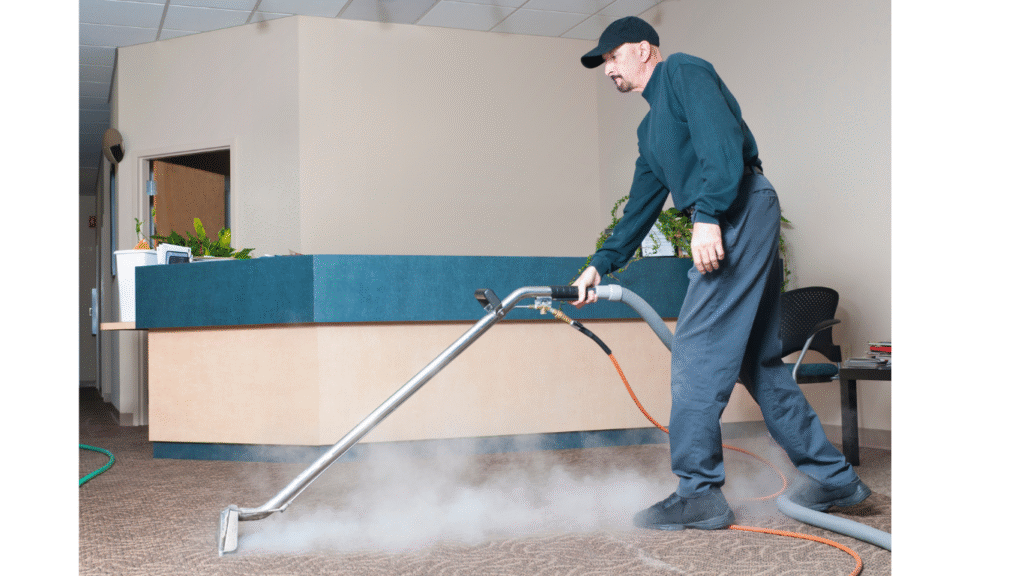
A steam cleaner, when used correctly and without harsh chemicals, can be a game-changer for deep cleaning and sanitizing your carpet. It uses hot water vapor to loosen dirt and kill germs.
Rent a steaming device or invest in a good-quality one. The beauty of steam cleaning is that it uses only water, eliminating the need for any chemical cleaning solutions. Fill the machine with plain hot water according to the manufacturer’s instructions.
Steam penetrates deep into the carpeting, breaking down embedded dirt, grime, and allergens that vacuuming alone can’t reach. The high temperature of the steam also effectively kills bacteria, dust mites, and other microscopic organisms, leaving your carpet not only clean but also sanitized.
After steam cleaning, it’s crucial to ensure your carpet dries thoroughly to prevent mildew growth. Open windows and doors, use fans, and, if possible, run a dehumidifier. Avoid walking on the carpet until it is completely dry, which can take several hours depending on humidity levels.
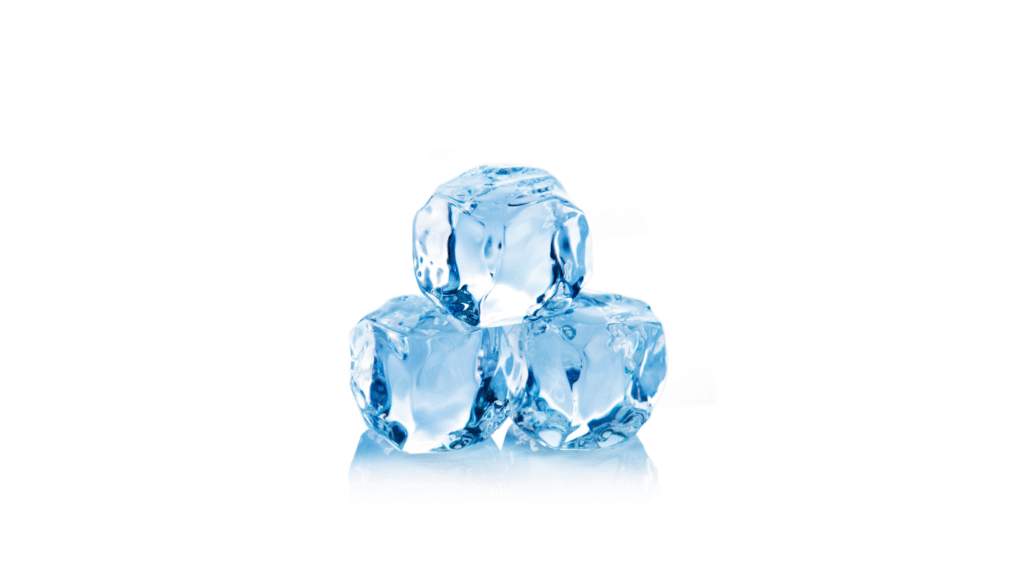
Chewing gum or melted wax on your carpet can seem insurmountable, but the ice cube method provides a surprisingly simple and effective solution.
How freezing helps remove sticky residues: Extreme cold causes sticky substances like gum and wax to harden and become brittle. This makes them much easier to remove without damaging the carpet fibers.
Scraping and removal techniques: Place a few ice cubes directly on the gum or wax until it is completely frozen and hard. Once frozen, gently chip away at the hardened substance with a dull knife, spoon, or the back of a credit card. Be careful not to pull or tug on the carpet fibers. Once the bulk of the residue is removed, you can use a clean cloth with a small amount of rubbing alcohol (patch test first) to remove any remaining stickiness.
Achieving a clean carpet is one thing; maintaining it is another. By incorporating these long-term care practices, you can significantly extend the life and beauty of your carpet.
Don’t wait for your carpet to look visibly dirty before taking action. Make it a habit to do quick spot checks regularly. If you notice a small stain or a faint mark, address it immediately using one of the natural methods discussed. Proactive cleaning prevents small issues from becoming big problems.
Good air circulation in your home helps prevent moisture buildup in your carpets, which can lead to mold and mildew. Open windows regularly, especially in humid climates, and consider using ceiling fans. Maintaining a healthy humidity level (ideally between 30-50%) can also contribute to a drier and cleaner carpet environment.
While these natural tips are incredibly effective for most situations, there might be times when your carpet needs a professional touch. If your carpet is severely soiled, has deep-set stains that won’t budge, or you’re preparing for a special event, consider hiring a professional carpet service that specializes in eco-friendly and natural cleaning methods. They have powerful equipment and expertise to tackle the toughest jobs while prioritizing your health and the environment. Think of it as a biannual or annual “deep clean” rather than a regular occurrence.

The allure of a brand-new carpet is undeniable, but the environmental and financial costs are significant. By advocating the “Don’t Replace, Renew!” philosophy and implementing these 10 natural carpet care tips, you’re not only saving money and reducing waste but also creating a healthier, more vibrant living space. From the simple power of vacuuming and immediate spill response to the surprising effectiveness of vinegar, baking soda, and lemon, nature provides us with an arsenal of gentle yet potent cleaning solutions.
So, before you start browsing swatch samples, give your existing carpet a second chance. With a little effort and a lot of natural know-how, you can transform your tired, dull carpet into a fresh, inviting foundation for your home.
Renew your carpet, renew your home, and renew your commitment to a cleaner, healthier planet. The power to revitalize is literally at your fingertips – discover how we can help.



Typically replies within an hour
I will be back soon
